The History of Henna: A Timeless Art Across Cultures
History of Henna
1/10/20262 min read
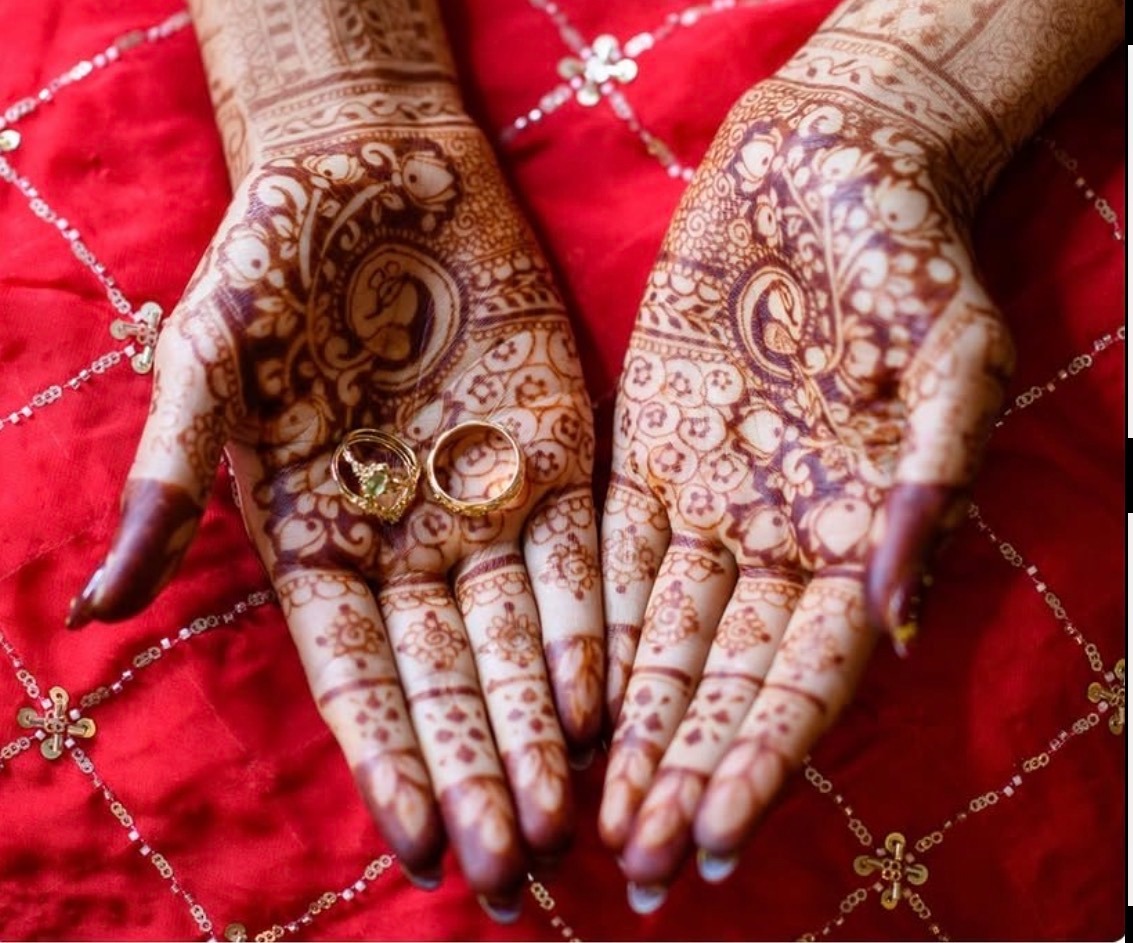
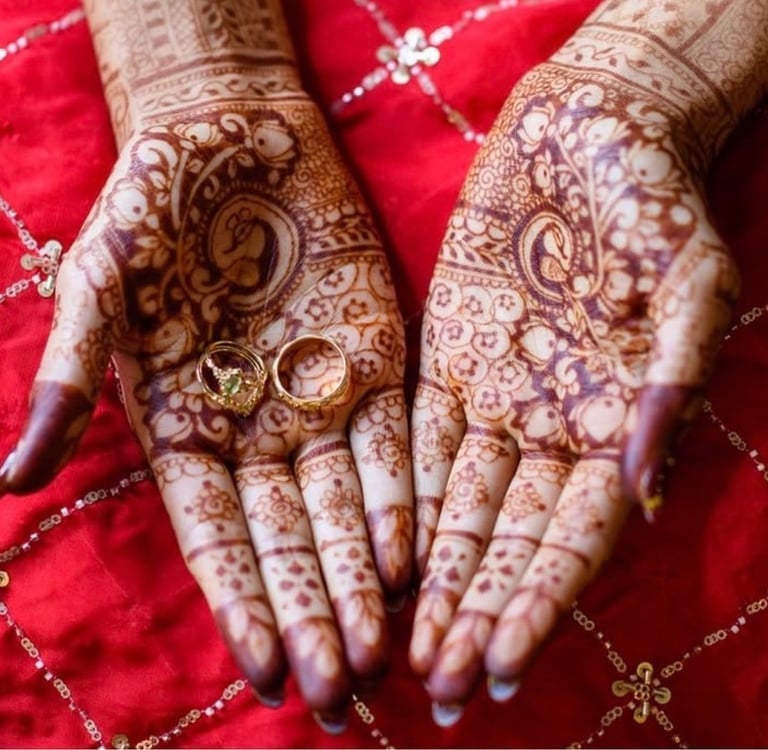
Henna is one of the world’s oldest and most meaningful forms of body art. Known for its deep earthy tones and intricate designs, henna has been used for thousands of years as a symbol of beauty, celebration, protection, and spiritual connection. More than decoration, henna carries stories of culture, tradition, and human expression passed down through generations.
Origins of Henna
Henna comes from the leaves of the henna plant, which thrive in hot, dry climates. When the leaves are dried and ground into a fine powder, they release a natural dye that stains skin and hair in shades ranging from orange to deep reddish-brown. Archaeological evidence suggests henna was used as early as 3000 BCE. Ancient people applied henna not only for adornment but also for its cooling and medicinal properties, helping protect skin from harsh climates.
Henna in Ancient Civilizations
In ancient societies, henna was deeply tied to daily life and ritual. It was used to dye hair, nails, fabrics, and leather. Royal figures and nobility often used henna as a sign of status, while everyday people used it for comfort and beauty. Henna stains have been found on mummies, showing its importance in burial traditions and beliefs about the afterlife. These early uses established henna as both a practical and symbolic substance.
Cultural Spread and Traditions
As trade routes expanded, henna traveled across regions and cultures, evolving into unique artistic styles. In South Asia, henna became known as mehndi and developed into elaborate, lace-like patterns. In Middle Eastern cultures, designs were often bold and floral. African traditions favored geometric and symbolic motifs, each carrying specific meanings related to protection, fertility, or strength.Despite stylistic differences, one common theme remained: henna marked important moments in life.
Henna and Celebrations
Henna is most famously associated with weddings, especially bridal ceremonies. Applying henna before a wedding is believed to bring good fortune, love, and prosperity. Darker stains are traditionally associated with deeper emotional bonds and blessings. Beyond weddings, henna is also applied during festivals, births, coming-of-age celebrations, and religious events, symbolizing joy and new beginnings.
Spiritual and Symbolic Meaning
Henna has long been considered protective. Many cultures believe it wards off negative energy and brings balance. Designs often include symbols such as flowers, vines, and eyes, representing growth, continuity, and protection. The act of applying henna itself is seen as grounding and meditative, connecting the artist and the wearer.
Henna in the Modern World
Today, henna continues to thrive as both a traditional and contemporary art form. Artists blend ancient patterns with modern creativity, creating designs that honor heritage while embracing individuality. Natural henna remains a preferred choice for those seeking an organic, temporary, and meaningful form of self-expression.
Honoring Tradition Through Art
Henna is more than an art—it is a living tradition. Each design tells a story, connects generations, and celebrates culture. By practicing and preserving henna artistry, artists continue a legacy that has endured for thousands of years, carrying beauty, meaning, and history in every line.
taranghenna1@gmail.com
© 2026. All rights reserved.